Est. 2004 – Proudly serving our community with outstanding service for 20+ years

As technology continues to evolve, homeowners are now looking for cooling systems that adapt intelligently to their lifestyle and reduce unnecessary energy use. For anyone exploring ducted air conditioning in Brisbane, the shift towards smart, adaptive and efficient systems is becoming increasingly appealing. At Crown Power Air Conditioning, we’ve seen how these innovations are reshaping the way households cool their homes, offering better functionality, lower running costs and long-term reliability. The future of ducted systems isn’t just about cooling air; it’s about intelligently managing comfort based on lifestyle, climate and real-time needs.

The next generation of ducted systems is driven by technologies that fine-tune cooling automatically, simplify daily operation and create a more personalised comfort experience. For those looking to future-proof their comfort, these technologies introduce new levels of convenience and efficiency that were unimaginable only a decade ago.
Home automation compatibility is becoming one of the most sought-after features in modern ducted systems. Instead of relying on standalone remotes or fixed wall controllers, you can now connect your air conditioning to fully integrated smart-home platforms that manage everything from lighting to security. With this level of synchronisation, your AC becomes part of an ecosystem that learns your preferences and simplifies your day-to-day comfort. Benefits include:
Mobile app technology is evolving far beyond simple on/off controls. Today’s advanced apps allow homeowners to monitor energy use, adjust zoning, check system status and receive maintenance updates, all from a smartphone. These tools give homeowners clearer control over how their system performs throughout the day:
Smart sensors are playing an essential role in automating comfort. These detect occupancy patterns, airflow needs and environmental changes, adjusting the ducted system accordingly. Instead of cooling unused rooms or running unnecessarily, the system works in harmony with how your household actually moves throughout the day. Examples of sensor-driven enhancements:
As technology becomes more intelligent, maintenance is shifting from reactive repair work to predictive, proactive system care. Predictive maintenance tools use sensors, algorithms and system data to pinpoint performance changes while they’re still minor. With predictive insights, you can maintain peak performance with fewer disruptions and lower costs.
Predictive technology identifies changes in airflow, temperature output and component behaviour, notifying you early so interventions can be scheduled before comfort is affected. Instead of waiting for breakdowns during peak summer heat, you receive early notifications that allow for timely service and system optimisation. Some issues predictive systems can identify:
One of the biggest advantages of predictive maintenance is cost reduction. By addressing concerns early, you reduce the likelihood of major component failures and system overworking. This ultimately extends the lifespan of the system and addresses small faults quickly, preventing costly disruptions later on. Here are some of its cost-saving advantages:
By keeping components running within optimal parameters, predictive maintenance preserves system condition and long-term reliability. The following are some of its long-term benefits:
Artificial intelligence is transforming how ducted systems operate, enabling cooling that proactively adjusts before conditions change, based on learned routines and environmental patterns. Instead of manually adjusting temperatures throughout the day, AI-enabled systems learn to predict your ideal environment. This is especially valuable in places where weather conditions can shift rapidly and homes require dynamic temperature regulation.
AI-powered systems analyse daily routines to deliver comfort exactly when it’s needed. Whether your family follows consistent schedules or unpredictable ones, the cooling system adjusts accordingly to keep the home comfortable without unnecessary energy use. Examples of lifestyle-driven adaptation are:
AI doesn’t just observe indoor patterns; it also analyses external weather conditions to anticipate cooling demands. This is particularly helpful during sudden humidity spikes, late-afternoon heat waves and unpredictable storms. Weather-responsive adjustments may include:
Advanced AI systems can personalise comfort settings for specific zones and even individual preferences. This reduces disputes over ideal temperatures and ensures everyone enjoys personalised climate control. The benefits of personalised climate settings are:
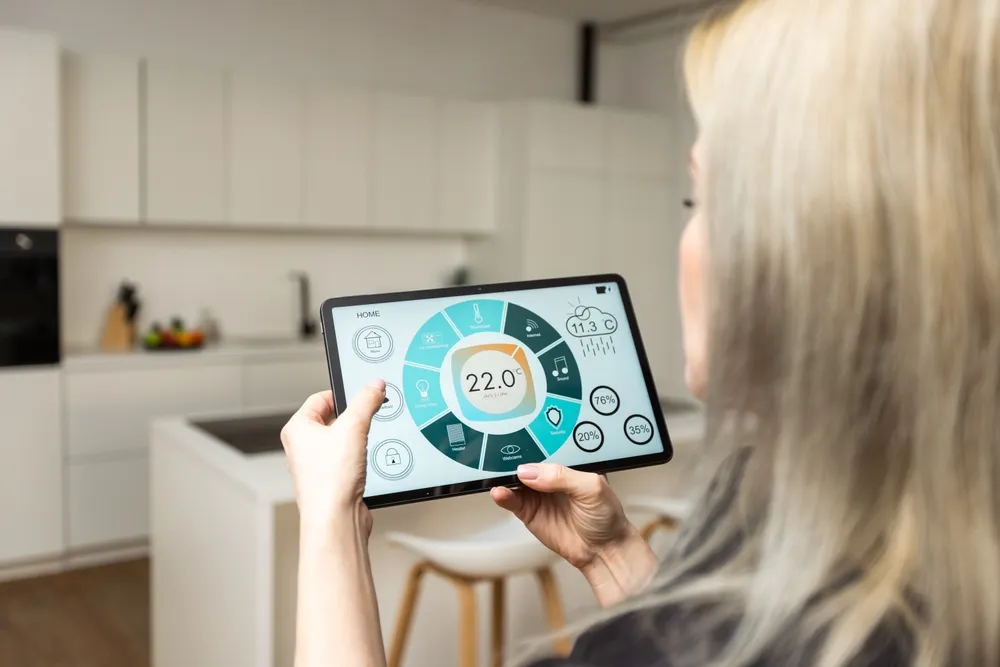
Energy savings remain a top priority for homeowners, and modern ducted systems are meeting this demand through zoning optimisation and smart sensor technology. Instead of cooling the entire house, zoning ensures that only the spaces being used receive airflow. When paired with intelligent sensors, it becomes even more efficient, allowing homeowners to dramatically reduce energy waste.
Smart zoning represents one of the biggest energy-saving breakthroughs in modern ducted air conditioning. Instead of cooling the entire home at once, smart zoning allows you to divide the house into independently managed areas. Each responds to real-time comfort needs, usage patterns and temperature variations, ensuring that cooling is only delivered where it’s truly needed. By preventing conditioned air from being wasted in unused rooms, smart zoning improves the efficiency of ducted systems, lowering energy bills while enhancing comfort throughout the day.
Smart sensors elevate zoning technology by adding an intelligent layer of real-time monitoring. These sensors detect movement, presence, temperature shifts and airflow demands within each room, allowing the system to adjust cooling output dynamically. Instead of relying on fixed timers or manual adjustments, the ducted system continuously interprets what the household is doing and adapts instantly. This technology is valuable for busy families whose routines vary from day to day, ensuring that comfort is always aligned with actual occupancy rather than pre-set assumptions.
As sustainability becomes a priority, homeowners are increasingly exploring solar-powered cooling to offset energy costs. Pairing ducted air conditioning with solar power is a powerful combination, one that boosts efficiency, reduces carbon footprint and shields households from rising electricity bills. However, solar integration requires careful consideration of system size, consumption habits and long-term goals.
Solar power has emerged as one of the most effective solutions for offsetting these expenses, using clean, renewable energy to drive system performance without relying heavily on grid electricity. By utilising the abundant sunlight Brisbane receives throughout the year, solar-powered cooling helps households stay comfortable while lowering daytime consumption and improving overall energy efficiency. Cost-related advantages:
Integrating solar power with a ducted air conditioning system requires careful planning to ensure the setup is both efficient and financially worthwhile. Factors such as system load, inverter capacity, battery options and roof layout all play a role in determining how well solar can support cooling demands. Understanding these considerations helps you design a system that provides consistent power, maximises savings and avoids underperformance.
Investing in solar-powered ducted cooling is not only a cost-saving decision; it’s also an environmental responsibility. For environmentally conscious households, this approach supports cleaner air, a reduced ecological footprint and a more resilient energy future. Over time, solar-powered cooling becomes a meaningful contribution to both household sustainability and the broader effort to create a greener Brisbane.
The future of ducted air conditioning is smarter, cleaner and more efficient than ever before. From AI-driven climate control to zoning optimisation and solar integration, homeowners now have access to technologies that enhance comfort while reducing household energy costs. At Crown Power Air Conditioning, we’re committed to helping families choose the systems and features that best support long-term comfort, efficiency and reliability. If you’re ready to explore next-generation ducted solutions or upgrade your current system, contact us today for expert advice and personalised recommendations tailored to your home.