Est. 2004 – Proudly serving our community with outstanding service for 20+ years

When a ducted air conditioner is the wrong size, the effects are felt every day, even if the issue is hidden above the ceiling. Rooms fail to reach consistent temperatures, some areas feel stuffy while others are overly cool and the system may run continuously or cycle too frequently. These problems are often traced back to incorrect ducted air conditioning sizing in Brisbane, where climate conditions and building design play a role in system performance.
Crown Power Air Conditioning examines what happens when a ducted air conditioner is either too large or too small for a home or business and how that mismatch affects comfort, energy use and long-term reliability. It outlines the common signs of incorrect sizing, explains why choosing a larger system does not guarantee better results and highlights the role of proper heat load calculations in achieving efficient, stable performance.
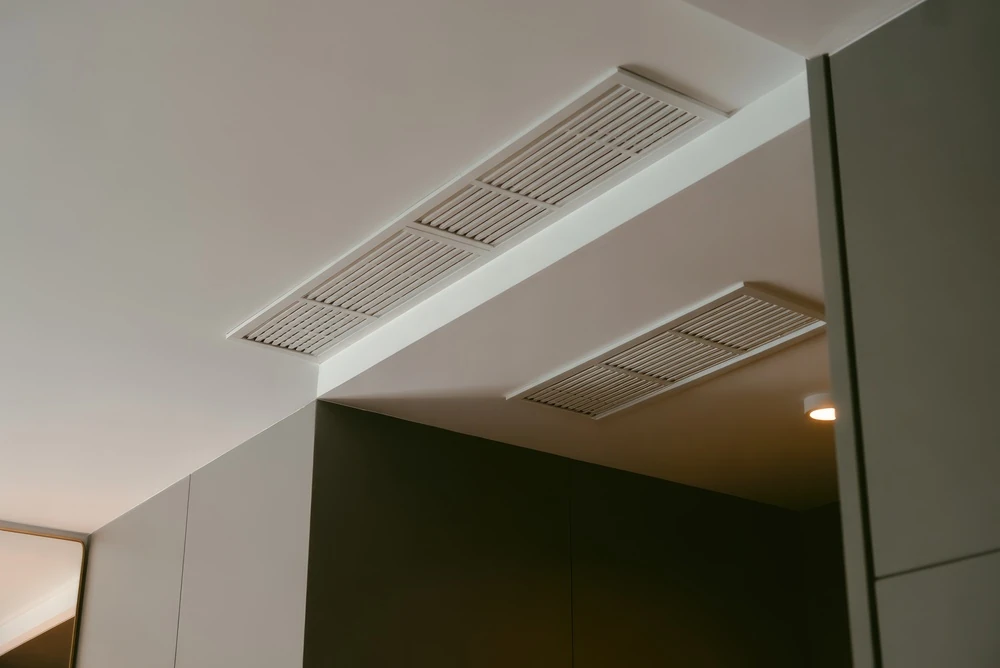
An undersized ducted air conditioner struggles to keep up with the cooling or heating load of the home. It runs for longer periods, works harder than it should and still fails to deliver consistent comfort in all rooms. This mismatch between system capacity and property size does more than make the home feel uncomfortable. It accelerates wear on components, increases energy use relative to the results achieved and can create air quality and moisture problems over time.
A ducted system that is too small will often run almost continuously on very warm or very cold days. Despite this constant operation, indoor temperatures may never reach the set point on the controller, or it will take a very long time to get there. Common signs include:
This happens because the system does not have enough capacity to replace the heat entering the home through the roof, windows and walls. In multi‑level homes or open‑plan layouts, this issue is even more obvious as the small unit prioritises areas closest to the indoor unit and supply ducts.
An undersized unit might appear more efficient on paper due to a lower kilowatt rating. In practice, it usually costs more to run for the comfort achieved. Longer run times mean the compressor and indoor fan rarely cycle off, so energy use remains high throughout the day.
Occupants often respond by closing supply vents to some rooms in an attempt to “boost” airflow to others. This can upset the duct system's balance, reduce overall efficiency and put added strain on the fan. In some cases, users will supplement the ducted system with portable heaters or split systems, further increasing total household energy costs.
Continuous high‑load operation shortens the lifespan of key components. Compressors and fan motors rarely get a rest and are more likely to fail early. Filters can clog faster as the system is pulling large volumes of air through for extended periods.
If the unit is too small, latent heat removal can be inadequate, which means less effective moisture control in cooling mode. The result can be:
These issues can affect internal finishes and furnishings and may contribute to musty odours or reduced indoor air quality.
An oversized ducted air conditioner may sound like a safe option, but it often creates more problems than it solves. Instead of better comfort and efficiency, an overcapacity system can lead to uneven temperatures, higher running costs and premature equipment wear. In a typical home, a system that is too large will cool or heat the air very quickly, then switch off again, only to restart shortly after. This constant stopping and starting affects comfort, energy use and system longevity.
The most common symptom of an oversized ducted system is short cycling. The unit reaches the set temperature very quickly, shuts down, then restarts after a short period. This rapid cycling prevents the system from running through a proper, steady operating cycle.
Short cycles reduce comfort in several ways. Rooms often feel cool but clammy in summer because the system has not run long enough to remove sufficient moisture from the air. In winter, some areas may feel hot near supply vents while other zones never quite reach the desired temperature before the system shuts off again.
Temperature swings become more noticeable as the system overshoots the set point, then switches off, allowing rooms to warm up or cool down again. Rather than maintaining a consistent indoor climate, an oversized unit tends to create a stop-start environment that many people find uncomfortable.
It is a common assumption that a larger system will not have to work as hard and will therefore cost less to run. The opposite is usually true with ducted units that are too large for the home.
Starting a compressor and fan draws more power than running them steadily. Short cycling means the system repeatedly uses this higher start-up energy without delivering long, efficient operating periods. As a result, energy consumption can rise noticeably even though the system spends less total time running.
Oversized units also struggle to reach their rated efficiency. Most are designed to operate most efficiently at a sustained load. When a system is continually ramping up and then shutting down, it rarely sits in this efficient zone, leading to higher electricity bills than a correctly sized installation.
Frequent on-off cycles place additional stress on mechanical and electrical components. Compressors, fan motors and control boards are all affected by repeated starts, which can shorten their service life compared with a correctly sized system operating in longer stable cycles.
Short cycling can also increase noise. Each start and stop is noticeable, particularly in quiet homes or at night. A correctly sized ducted system typically settles into a steady, lower noise operating pattern rather than constantly ramping up and down.
Ductwork and grilles may experience higher air velocities when paired with an oversized unit. This can create whistling or rushing air sounds and, in some cases, can highlight existing duct leaks or shortcomings that might not be as obvious with a correctly sized system.
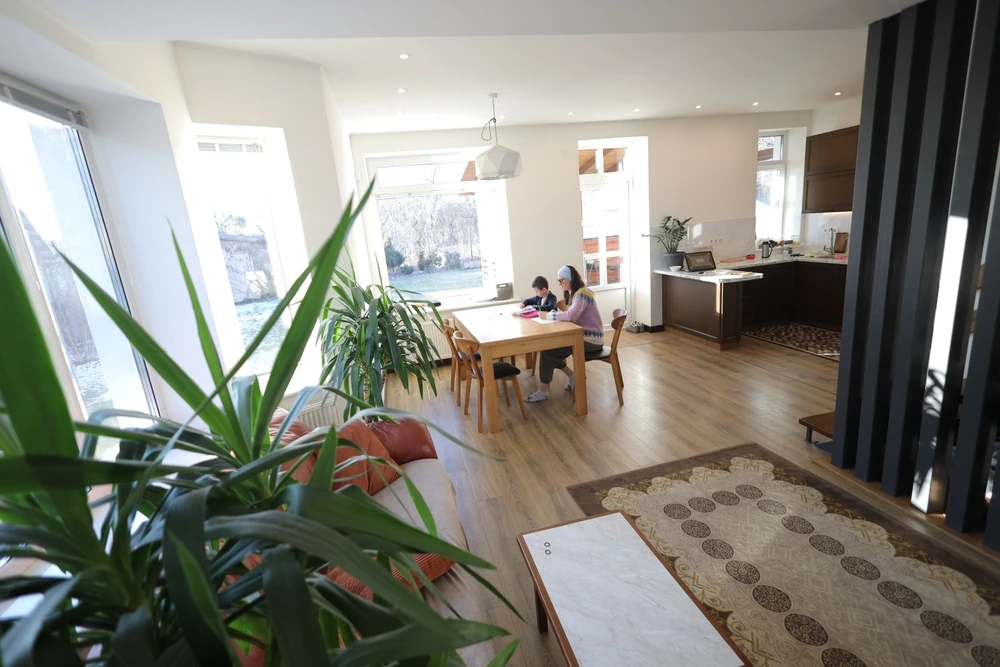
Incorrect sizing affects how a ducted air conditioner feels, what it costs to run and how long it lasts. Both undersized and oversized units can lead to uncomfortable rooms, higher energy bills and more frequent repairs over time.
Understanding these impacts helps explain why proper heat load calculations and system design are critical, rather than relying on rough rules of thumb or matching a neighbour’s system.
An undersized system struggles to reach the set temperature on very hot or cold days. It may run continuously, yet some rooms remain warm in summer or cool in winter. Occupants often respond by lowering the thermostat, pushing the system even harder and still do not solve the comfort problem.
An oversized system tends to short cycle. It cools or heats very quickly, then shuts off before the air has mixed properly. This can create noticeable temperature differences between rooms or between upstairs and downstairs. In cooling mode, short cycling also prevents proper dehumidification, so the air can feel clammy even when the thermostat reading looks fine.
Both scenarios can increase noise. Undersized units may run at higher fan speeds most of the time. Oversized units can create strong bursts of airflow every time they start, resulting in draughts and a “gusty” feel at the vents.
Incorrect capacity directly affects power consumption. An undersized system often runs at or near maximum output for long periods. This extended run time increases electricity use and places continuous stress on components. Even modern inverter systems lose efficiency when forced to operate near their limits for hours at a time.
Oversized systems suffer efficiency losses due to short cycling. Each start‑up draws extra current and frequent cycling prevents the unit from settling into its most efficient operating range. The thermostat may be satisfied quickly, but the accumulated energy used to achieve that in repeated bursts is higher than a correctly sized unit running steadily.
Both habits increase energy bills compared with a system matched to the building’s actual load.
Sizing errors reduce reliability and system life. An undersized unit that runs almost constantly experiences greater wear on compressors, fans and controls. Refrigerant pressures and temperatures can sit at unfavourable levels for long periods, which accelerates deterioration.
An oversized unit experiences more frequent starts and stops. Each cycle stresses electrical components and mechanical parts, such as the compressor. Over the years, this can lead to failures earlier than expected, along with increased maintenance needs such as capacitor replacements, fan motor issues and control board faults.
Incorrect sizing can also interact badly with duct design. Oversized units may deliver higher airflow than the ducts were designed to handle, which can cause whistling vents, excessive static pressure and, in severe cases, duct leakage or damage. Undersized units may not provide sufficient airflow to distant branches, which further worsens temperature imbalance throughout the home.
Ducted air conditioners are often sized incorrectly because the selection is based on guesswork or sales pressure rather than a proper heat load assessment. When the system capacity is chosen only by floor area, a rough rule of thumb or what is in stock at the time, the result is frequently an undersized or oversized unit.
Accurate sizing must factor in building design, insulation levels, glazing, orientation and how the occupants actually use each zone. If these are overlooked, the system capacity can easily be off by several kilowatts.
A common reason for incorrect sizing is the use of generic rules of thumb, such as a set number of kilowatts per square metre. While this can give a very rough starting point, it ignores critical variables like:
A proper heat load calculation quantifies how much heat enters and leaves the home in peak conditions.
Many systems are selected as if the entire home will be cooled or heated at full capacity at all times. In reality, zoning and usage patterns make a difference. If a family mostly occupies living areas in the day and bedrooms at night, a system sized only on total floor area can be misleading.
Local climate also plays a major role. In coastal Queensland, for example, high humidity and strong solar gain through glass can require higher capacity than a similar-sized home in a milder region. If climate data and zoning strategy are not considered, the chosen unit will not match real-world demand.
Correct sizing of a ducted air conditioner is based on calculated heat load, not guesswork or floor area alone. A professional assessment considers how much heating and cooling the home actually needs in real conditions, then matches that to a suitable system capacity and duct design.
This process aims to find the smallest unit that can comfortably handle the highest expected demand without constantly running at maximum output. Done properly, it improves comfort, air quality and efficiency while protecting the system from premature wear.
Determining the right size starts with a detailed look at the property rather than the catalogue:
Once the building factors are understood, a heat load calculation is carried out. This uses industry formulas and software to estimate how many kilowatts (kW) of cooling and heating are required at peak times for the whole home and for individual zones.
Zoning design is critical. Not every room needs full capacity at once. Daytime zones such as living areas and kitchens may be prioritised for higher output, while bedrooms and studies can be assigned lower loads. Correct zoning allows a system to be sized to realistic simultaneous use rather than an unrealistic worst case of every outlet at full blast.
Finally, the calculated capacity is compared to available ducted unit sizes. The chosen system should meet or slightly exceed the required peak load without being significantly oversized. Consideration is also given to:
This methodical process results in a ducted system that is tailored to the property rather than a rough estimate based on square metres alone.
Before committing to a new ducted air conditioner, it is important to confirm that replacement is truly necessary and that the next system will be correctly sized and configured. A few practical checks can reveal whether the existing issue relates to capacity, ductwork, controls or simple maintenance problems rather than the outdoor unit itself.
Careful assessment also helps avoid repeating the same sizing mistake. Reviewing load calculations, airflow and zoning before purchase gives a far better chance of consistent comfort and lower running costs over the long term.
Uneven temperatures, short cycling or high energy use are not always caused by an undersized or oversized unit. Before upgrading, it is worth checking:
Only once these issues are ruled out does it make sense to focus on system size and configuration.
Before committing to a replacement, a fresh load assessment should be completed using current conditions, not just original building plans. Key factors include:
This data should be translated into a detailed heat load calculation, not a simple rule of thumb based only on square metres. The result determines the correct capacity range and helps identify whether the existing unit is genuinely the wrong size or simply outdated.
Incorrect sizing of a ducted air conditioner is not a minor issue but a factor that directly affects comfort, efficiency, humidity control and system longevity. An oversized unit tends to short-cycle, increasing energy consumption and leaving indoor conditions uneven, while an undersized system runs continuously without delivering consistent results. Both scenarios lead to higher operating costs, increased wear on components and reduced reliability over time. This approach provides consistent indoor comfort, controlled energy costs and a longer service life for the ducted air conditioning system.