Est. 2004 – Proudly serving our community with outstanding service for 20+ years

Getting the layout right from the start makes a huge difference to energy use and long-term reliability in Brisbane. This is something that our experts at Crown Power Air Conditioning concentrate on when designing systems for real homes with real living patterns. Poor design choices for ducted air conditioning in Brisbane often lead to uneven temperatures and higher running costs that frustrate homeowners long after installation is finished. A well-planned system should quietly support daily life without constant adjustments or hot and cold spots.
Crown Power Air Conditioning notices many homes having a working system, but the layout decisions work against it to cause avoidable issues that could have been prevented with better planning. Design mistakes often happen when airflow zoning thermostat placement or control systems are treated as afterthoughts instead of core elements. Taking the time to design around how people actually use their home leads to fewer callbacks and more consistent performance year-round.

Airflow planning is one of the most important factors in system performance, yet it is also one of the most commonly overlooked. Multi-storey and open-plan homes behave very differently from compact layouts and need airflow strategies that account for room usage and heat movement. Warm air rising to ceiling height and long sight lines all influence how air travels through the space. A thoughtful airflow design helps every area feel balanced rather than favouring certain rooms.
Multi-storey homes naturally experience temperature differences between floors due to rising warm air and heat retention upstairs. Without careful airflow planning, upper levels can feel uncomfortable while lower levels are overcooled. Addressing this early helps maintain balance across the whole home.
A balanced approach between floors reduces constant adjustments and improves comfort throughout the day. Small airflow tweaks at the design stage prevent long-term frustration.
Large open areas often look simple, but they can hide airflow challenges that affect comfort. Without the right outlet placement some areas receive plenty of cooling while others remain warm and stuffy. Designing for even distribution keeps the whole space usable.
Good airflow planning keeps open areas comfortable without needing to overwork the system. This improves efficiency while supporting consistent temperatures.
Ceiling height plays a major role in how air behaves once it enters the room. High ceilings require different outlet strategies compared to standard heights. Ignoring this can lead to poor air mixing and wasted energy.
Designing with ceiling height in mind leads to better air mixing and improved comfort. It also helps the system run more efficiently over time.
Zoning allows different areas of the home to be conditioned independently, but poor zoning design can create more problems than it solves. Incorrect zone sizes or layouts lead to pressure issues or temperature imbalance and reduced system lifespan. A good zoning strategy reflects how the home is used throughout the day. Thoughtful planning ensures comfort without unnecessary complexity.
Zone size has a direct impact on system performance and comfort. Zones that are too large or too small place unnecessary strain on the system. Finding the right balance improves both efficiency and reliability.
A well-balanced zoning layout supports consistent temperatures without constant adjustments. It also improves long-term reliability.
Zoning works best when rooms with similar needs are grouped together. Mixing spaces with very different usage can lead to discomfort and wasted energy. Careful grouping supports better control.
Smart room grouping improves comfort while keeping controls simple. It also reduces unnecessary system cycling.
Homes change over time, and zoning should allow for flexibility. Designs that only consider current usage can become limiting later. Planning ahead avoids costly adjustments.
Future-ready zoning ensures comfort as needs change. It also helps avoid expensive modifications down the track.
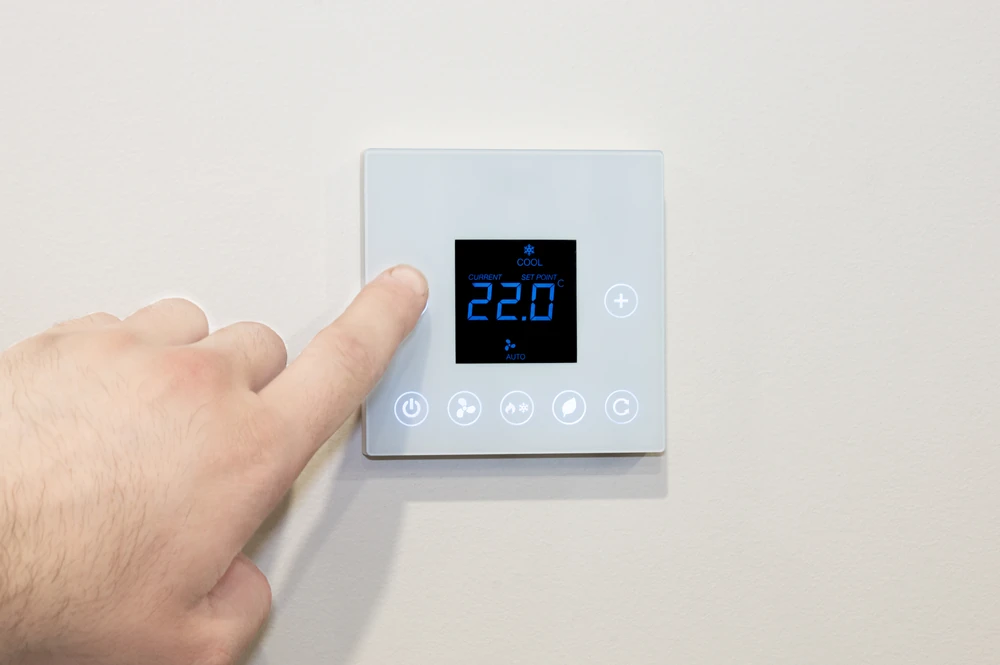
Thermostat placement plays a critical role in how the system responds to temperature changes. Poor placement causes inaccurate readings and uneven comfort. The thermostat should reflect true living conditions rather than localised heat or cold sources. Correct positioning supports stable operation and reliable comfort.
Thermostats exposed to heat or draughts struggle to measure true room temperature. This leads to frequent cycling and inconsistent comfort. Careful placement avoids these issues.
Accurate temperature sensing helps the system respond smoothly. This improves comfort and reduces energy use.
Choosing between a central location and individual room placement affects how the system prioritises comfort. Each option has benefits depending on layout and usage. Thoughtful selection improves performance.
Correct placement supports consistent comfort across zones. It also reduces the need for manual adjustments.
Even small details like mounting height influence thermostat accuracy. Incorrect height exposes sensors to temperature layers rather than occupied zones. Getting this right improves reliability.
Proper installation leads to smoother system response. This supports long-term comfort and efficiency.
Smart controls offer advanced comfort management but only when integrated correctly. Poor setup can undermine their benefits and frustrate users. Smart systems should simplify daily use while enhancing efficiency. Thoughtful integration ensures they support the home rather than complicate it.
Smart controls should be intuitive, not overwhelming. Too many options can confuse users and lead to poor settings. Simplicity improves usability.
User-friendly controls improve satisfaction and comfort. They also help ensure efficient operation.
Not all smart controls suit every system layout. Compatibility issues reduce performance and reliability. Proper matching is essential.
Compatible controls support stable performance and full feature use. This protects system reliability.
Automation features work best when aligned with real habits. Generic settings often miss the mark. Customisation improves outcomes.
Well-used automation enhances comfort without effort. It also supports lower running costs.
Design mistakes often hide beneath the surface, but their impact is felt every day through higher bills and unnecessary frustration. Taking the time to plan airflow zoning with thermostat placement and controls around how a home is actually used leads to better outcomes across the board. Thoughtful design supports smoother performance and a more comfortable living environment.
Avoiding common layout pitfalls starts with understanding the relationship between space usage and control strategy. When these elements work together, the system feels effortless and reliable. A well-designed layout delivers comfort that lasts and helps the system perform at its best for years to come.