Est. 2004 – Proudly serving our community with outstanding service for 20+ years

In Brisbane, long, hot and humid summers place certain pressure on home cooling systems, making air conditioning a major factor in comfort and energy costs. At Crown Power Air Conditioning, a common question is whether ducted air conditioning is truly worth the investment compared with split systems in local conditions. This article explores how ducted air conditioning in Brisbane performs in a subtropical climate, including installation and running costs, impact on home aesthetics and value and suitability for different property types and lifestyles.
Various factors influence whether ducted air conditioning represents a practical investment or an unnecessary expense. The discussion outlines the benefits of whole-home comfort, zoning and quieter operation alongside trade-offs and ongoing maintenance. A clear and practical understanding is provided to help assess whether a ducted system aligns with budget expectations and long-term comfort goals in Brisbane conditions.

Ducted air conditioning is a whole‑home climate solution that delivers cooled or heated air to every selected room from a single central system. Instead of multiple split units on the walls, one concealed unit distributes conditioned air through a network of ducts to discreet ceiling or floor vents.
Understanding the basic components and airflow path helps clarify why ducted systems are often preferred in Brisbane homes that need consistent comfort and a clean interior look.
A ducted air conditioning system is built around several core parts that work together as one integrated unit:
The indoor unit is usually concealed in the roof space of a house or sometimes under the floor. It contains the fan coil that cools or heats the air. The outdoor condenser unit sits outside the home and is responsible for rejecting heat in summer and absorbing heat from the outdoor air in winter for reverse cycle systems.
Insulated flexible or rigid ducts connect the indoor unit to supply vents in the ceiling or occasionally in the floor. These ducts carry conditioned air into each room. A large return air grille, often positioned in a central hallway ceiling, draws air back into the system through a filter that captures dust and airborne particles.
Zoning controls are installed to divide the home into separate areas, such as living zones and sleeping zones. Each zone is controlled through a wall controller or smart control system that opens and closes motorised dampers in the ducts.
The operating cycle of a ducted system follows a clear airflow path. When the system is switched on and a temperature is set, the indoor unit draws warm indoor air through the return air grille. That air passes through the filter and then across a cold evaporator coil in cooling mode or a hot coil in heating mode.
The fan inside the indoor unit then pushes the conditioned air into the duct network. Air travels through the insulated ducts and exits through ceiling or floor vents into each active zone. As the rooms cool or warm towards the set temperature, the system continuously monitors the indoor temperature via sensors in the controller or in specific rooms.
Once the set temperature is reached, the compressor in the outdoor unit cycles down or off to save energy, while the fan may continue to run at a lower speed to maintain airflow and comfort. The same air is recirculated through the return grille, which improves efficiency compared with constantly drawing in hot and humid outdoor air.
Zoning is often the feature that makes ducted air conditioning particularly practical in Brisbane. Instead of conditioning the entire home at once, zones such as bedrooms, living areas or a home office can be turned on or off depending on use.
In practice, this allows cooling only the bedrooms at night during a humid summer or focusing on living areas during the day. Some modern systems allow different temperature settings for each zone by adding separate sensors and advanced controllers. This targeted control helps reduce running costs, particularly in larger homes and provides flexibility as household routines change.
A humid subtropical climate is one of the biggest factors in deciding if ducted air conditioning is worth the investment. Long hot summers, frequent humidity and a relatively short mild winter create a very different cost‑benefit picture compared with cooler southern cities. In many homes, ducted systems are used for much of the year, which can justify the higher upfront cost through comfort and efficiency.
Understanding how temperature, humidity and seasonal patterns affect use helps determine whether a whole‑of‑home ducted system will be used enough to make financial and practical sense.
Brisbane experiences warm-to-hot temperatures for a large part of the year, with many days above 30°C and high humidity. This combination makes indoor spaces uncomfortable even when actual temperatures are not extreme. Split systems can cool individual rooms; however, families often need multiple rooms to be comfortable at the same time for most of the day.
Where a household runs several split systems for long hours over spring, summer and early autumn, a single well-designed ducted system can become more economical. Central zoning and one high-efficiency outdoor unit can reduce overall power use compared with many separate units working hard in different parts of the home.
Winters are generally short and mild, yet overnight temperatures can still drop enough to require heating. Reverse‑cycle ducted air conditioning can provide whole‑home heating without the need for separate heaters. Because winter is mild, the heating demand is moderate, which suits reverse‑cycle technology that performs very efficiently in these conditions.
Households that currently rely on multiple electric heaters or gas can often reduce running costs by using a ducted reverse‑cycle system instead. The system that provides cooling relief for most of the year also delivers gentle, even heating on cooler mornings and nights, increasing overall value from the investment.
Ducted air conditioning can provide powerful whole‑of‑home climate control that suits hot humid summers and mild winters. However, it also involves a higher upfront cost and more complex installation than split systems so it is not the right choice for every property or budget.
Understanding the main advantages and disadvantages helps clarify whether ducted air conditioning fits the home layout, lifestyle and long‑term plans rather than making a decision on price alone.
The most obvious benefit is whole‑home comfort. A correctly designed ducted system distributes conditioned air evenly to every nominated room, avoiding hot or cold spots that are common with isolated wall splits. This is noticeable in multi‑storey homes or long low‑set layouts that are typical across Brisbane suburbs.
Ducted systems are also discreet. The indoor unit is usually hidden in the roof space with only slimline ceiling grilles visible so interiors are not dominated by wall units. This is attractive in open‑plan homes or high‑end renovations where clean lines are important and can add perceived value to the property.
A quality ducted design allows separate control of different areas such as living zones, bedrooms and studies. This means cooling living areas during the day and then mainly bedrooms at night without wasting energy on unused rooms. The system may run for many months of the year, so targeted zoning can reduce ongoing electricity costs compared with running several individual units.
Noise control is another advantage. With the main equipment located in the roof space or outside and only quiet air movement inside, many homes find ducted systems noticeably quieter than multiple wall splits, particularly in bedrooms.
Installation complexity is another factor. Adequate roof or underfloor space is needed for ductwork and the indoor unit, which can rule out some older Queenslanders or low‑pitch roofs unless building work is undertaken. Incorrectly sized or poorly routed ducts can lead to poor airflow and higher running costs, so design quality is critical.
Running costs can be efficient when zoning is used correctly, yet a poorly managed ducted system can be expensive to operate. Cooling the entire house to low temperatures for long periods in peak summer will draw considerable power, particularly if the home has limited insulation or large west‑facing glass.
Maintenance requirements differ from room units. Filters are usually located in a central return air grille which must be cleaned regularly and flexible ducting should be inspected periodically for damage or insulation breakdown. Neglect can reduce efficiency and indoor air quality and repairs in roof spaces can be more involved than servicing a wall split.
Installation and running costs are usually the deciding factors when weighing up ducted air conditioning. Ducted systems require a higher upfront investment than wall splits yet can deliver lower per-room running costs and better comfort if designed correctly for the home and lifestyle.
Understanding what drives installation and ongoing power costs helps avoid budget blowouts and ensures the system performs efficiently in a humid subtropical climate.
Installed prices for residential ducted air conditioning generally sit in the mid to upper thousands and can exceed five figures for larger or more complex homes. Price is influenced by:
Existing homes usually cost more to fit than new builds because installers must work around established structures and finishes. Older homes with minimal roof space, low-pitch roofs or asbestos can also add cost.
Daily habits have a direct impact on the power bill. To keep running costs under control:
Energy tariffs in South East Queensland also affect long-term costs. Households with high air conditioning usage may save by comparing available retail electricity plans, particularly those offering cheaper off-peak or time-of-use rates that align with typical cooling patterns.
Ducted air conditioning is most worth the investment in homes that need reliable whole‑of‑house cooling through long, humid summers and warm shoulder seasons. It is particularly suited to properties where comfort, quiet operation and clean interior aesthetics are priorities rather than just the lowest upfront price.
The value comes from combining efficient temperature control across multiple rooms with zoning, insulation and good system design that matches a subtropical climate. In the right home, this can mean lower running costs per room compared with running several split systems for similar comfort.
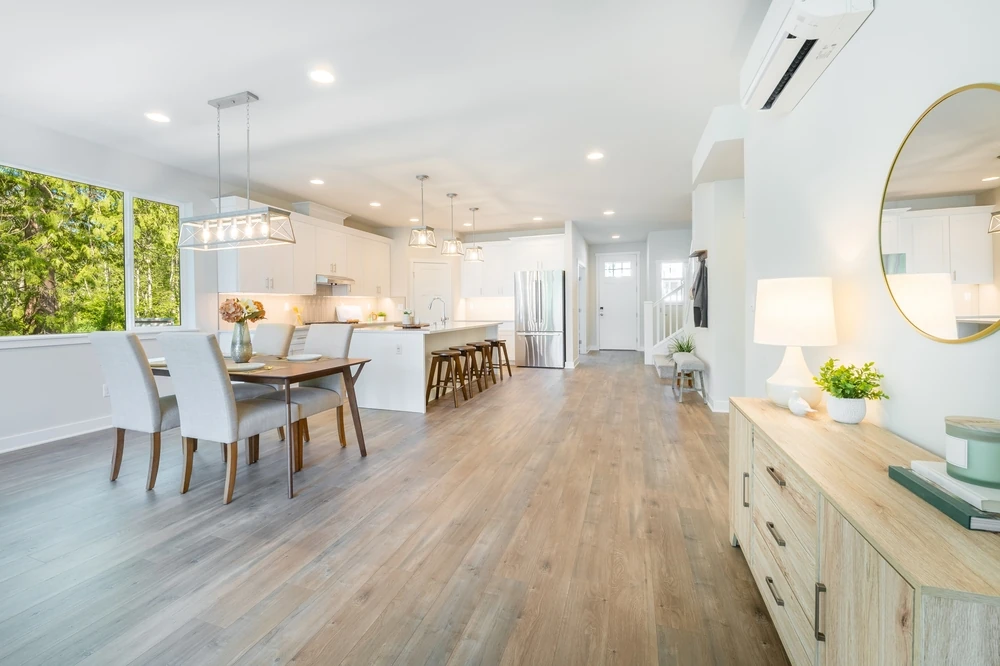
Ducted systems deliver the greatest benefit in larger properties or layouts where several rooms are used at the same time.
In Brisbane, this typically includes two‑storey homes, open‑plan living with attached kitchen and dining, or homes with four or more bedrooms. Installing and running individual split systems in each space can quickly become inefficient and visually cluttered. A properly sized ducted system can cool or heat these areas more evenly, with one outdoor unit and discreet ceiling grilles.
Zoning is central to making ducted air conditioning worth it. Zoning allows the home to be divided into separate areas, each controlled by its own thermostat or controller, so only rooms that need conditioning are cooled or heated.
This becomes particularly valuable when:
A well‑designed system will match duct sizes and outlet positions to each zone so the unit does not need to work harder than necessary and air flows are comfortable rather than draughty.
Ducted air conditioning is also worth it when the owner intends to stay in the property long term and values a clean interior look. With only ceiling or floor grilles visible and the bulk of equipment concealed, ducted suits modern renovations, higher-endro builds and townhomes where wall space is at a premium or decorative finishes are important.
For properties with good insulation, sensible window shading and ceiling heights suited to ductwork, a quality ducted system can become a long‑term feature that supports indoor comfort in both sticky summer humidity and cooler winter mornings. In such homes, the higher upfront cost is offset by daily usability, quieter operation than multiple wall units and potential appeal to future buyers who expect whole‑of‑house climate control.
Ducted air conditioning is appealing for whole‑home comfort in Brisbane’s climate, yet it is not the best fit for every property or budget. In some homes, a different type of system will deliver better performance, lower upfront cost or greater flexibility.
Several practical factors can make split systems or multi‑split systems a smarter choice. Property size, existing roof space, insulation levels and how the home is used each day all influence which solution is genuinely worth the investment.
In compact homes or apartments that only need one or two rooms cooled efficiently, a full ducted system can be unnecessary. The cost of the indoor fan coil, ductwork, zoning and electrical work may not be justified if the total area is small.
A wall‑mounted split system often suits:
A correctly sized split system in the main living area can manage the bulk of the summer load. A second unit in the master bedroom may still cost less overall than a ducted installation and will be cheaper to maintain over time.
Ducted systems rely on adequate ceiling or underfloor space for the indoor unit and ducts. Many inner‑Brisbane homes make this difficult. Low roof pitches, flat roofs, skillion designs or extensive structural beams can severely limit duct routeing and outlet placement.
In these properties, traditional ducted air conditioning may involve:
Multi‑split systems or several individual splits avoid these constraints by running small refrigeration pipes through walls rather than large ducts through ceilings. This approach is often better for:
Before investing in ducted air conditioning, it is essential to confirm that the property, the budget and the comfort expectations are a good fit for this type of system. Getting the fundamentals right at the start avoids costly alterations later and ensures the system performs well in hot, humid summers and mild winters.
A careful assessment of the home, its layout and existing electrical and roof space constraints will influence system size, duct design and zoning. These factors directly affect running costs, noise levels and how comfortable each room will feel.
Ducted systems suit whole‑of‑home comfort, particularly in larger homes or townhouses where multiple rooms are used at the same time. In a small apartment or a home where only one or two rooms are occupied most of the day, a quality split system or multi-split may be more practical.
Ceiling height, room orientation and window size are critical. High ceilings, large west-facing glass or open‑plan living areas increase the cooling load. In Brisbane’s climate, poor or missing ceiling insulation can make ducted air conditioning work harder and increase power bills. Before choosing a system, it is sensible to:
A professional heat load calculation for each zone provides a far more accurate guide than simple rules of thumb based on floor area.
Ducted systems require suitable roof or underfloor space for the indoor unit and ductwork. In many Brisbane homes, particularly those with low-pitch tile roofs, the available roof cavity can be tight. It is important to check:
The outdoor unit also needs a practical location with good airflow away from bedrooms and neighbour windows to limit noise issues. It should not be boxed into a hot, cramped side passage which is common in suburbs because this can reduce performance and shorten equipment life.
Ducted systems draw more power than a single split system, so the property’s electrical capacity must be checked. Older switchboards or limited supply may require upgrades, which can add to the project cost.
Upfront budget and typical usage habits should be reviewed together. Ducted air conditioning offers excellent comfort but is most cost-effective when:
Factoring ongoing maintenance such as filter cleaning, duct inspections and periodic servicing into the decision ensures the system remains efficient and reliable over the long term.
Ducted air conditioning can represent a strong long-term solution for homes when matched correctly to the property, climate and usage patterns. The combination of whole-of-home comfort, effective humidity control, discreet design and zoning flexibility aligns well with the demands of extended hot seasons and mild winters. In larger homes or properties with multiple rooms in regular use, these benefits often offset the higher upfront investment through improved comfort, efficiency and potential property appeal. With the right planning and professional input, ducted air conditioning becomes a tailored solution rather than a one-size-fits-all upgrade.