Est. 2004 – Proudly serving our community with outstanding service for 20+ years

Keeping a system running well in Brisbane despite its warm and damp conditions takes a careful mix of steady care and quick responses when problems appear. Many homeowners feel confident using their system every day but can find themselves unsure when something changes suddenly or the airflow feels weaker than usual. Our team at Crown Power Air Conditioning understands how small changes in performance can quickly turn into larger concerns if they are left alone for too long. That is why we focus on giving clear and simple steps that help people feel more in control of their ducted air conditioning in Brisbane.
We have seen how humidity and seasonal storms affect different parts of a system in ways that are not always obvious at first. Some issues come from day-to-day wear, while others come from short periods of heavy stress during weather shifts. When people know what signs to look for, they can respond faster and prevent further damage before it becomes costly. Our goal is to offer guidance that feels practical and easy to follow so people feel confident managing minor problems while knowing when to call in expert support.

Humidity can place extra pressure on the internal parts of a system and make simple issues turn into major concerns if they are not handled early. Many homeowners notice small changes like slower cooling or unusual smells before they recognise the real cause behind them. Extra moisture can sit inside parts of the system that are hard to reach, which makes small blockages more likely to form. When these early signs are recognised, it becomes easier to keep the system running smoothly and prevent long periods of downtime.
Compressor strain often increases when warm and moist air forces the system to work harder for longer hours. A compressor that overheats can affect airflow and place stress on electrical parts that support the cooling cycle. Knowing how to spot early overheating helps prevent long-term faults and gives the system a chance to recover.
Condensate drains often clog faster when humidity is high because more water collects inside the drain line and carries dust along with it. When these lines block, water can back up into the indoor unit and affect wiring or nearby parts. Clearing these blockages early prevents leaks and keeps the system safe from moisture damage.
Indoor units can gather moisture quickly in humid weather, particularly when the cooling cycle is frequently active. This moisture can stay on the coils or casing, which allows mould to form in hidden areas. By reducing moisture build-up early, the system stays cleaner and healthier for longer periods.
Systems that cycle too quickly often struggle to maintain steady temperatures, which can make rooms feel uncomfortable. Quick cycling also places more wear on critical parts such as sensors and fans, which shortens the system’s lifespan. Identifying the cause helps prevent unnecessary stress and keeps the system operating at a steady pace. When people understand what triggers fast cycling, they can take small steps to stop it before it affects comfort in the home.
Thermostat issues are one of the most common causes of fast cycling because the thermostat reacts to inconsistent readings. A thermostat placed near windows or vents can misread room temperature and send incorrect signals to the system. Adjusting its placement or sensitivity can help it respond more accurately.
Airflow problems often cause fast cycling because the system cannot pull enough air through the return vents to stabilise room temperature. When this happens, the system works harder for shorter periods and raises energy use. Removing restrictions helps the system maintain steady cycles.
Fan motors play a large role in regulating airflow, which affects how long each cycle lasts. When fans run too fast or too slow, the system cannot balance temperature effectively. Making sure the fan motor works at the right speed helps maintain consistent performance.
Seasonal storms can place sudden stress on outdoor units and internal components, which may change the system’s performance without warning. Wind debris or heavy rain and power disruptions can all lead to problems that develop slowly over the following days. Knowing what areas to check after a storm makes it easier to catch damage early. This helps prevent further issues that affect comfort or safety in the home.
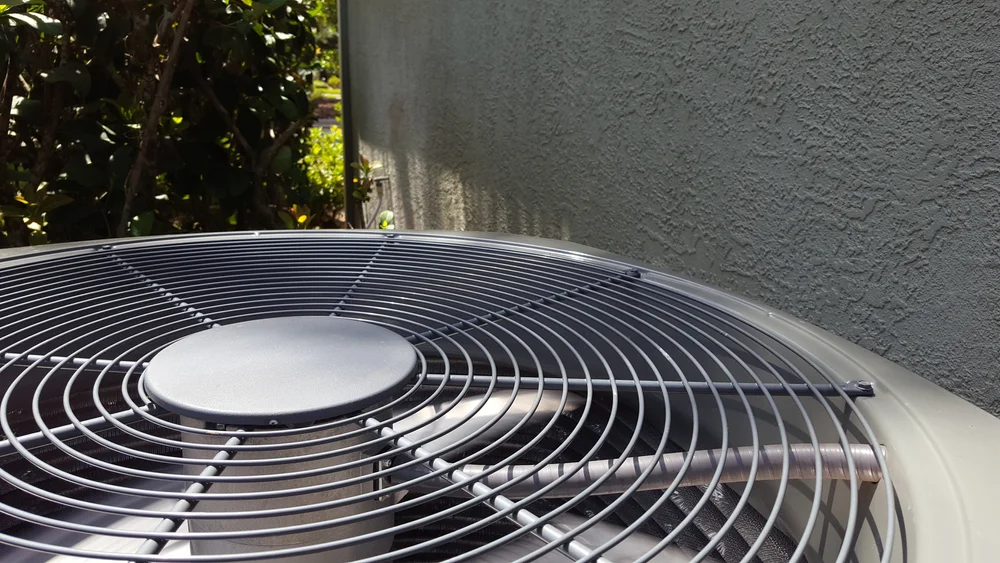
Outdoor units often become surrounded by debris after storms, which can limit airflow and strain the system. Even small obstructions can disrupt the unit’s ability to release heat effectively. Clearing the area early helps the system recover from storm stress.
Heavy rain can enter areas around the indoor or outdoor units, especially when seals have weakened. Water near electrical parts creates a safety risk and can interrupt system performance. Identifying water entry points helps maintain safety and protects the unit.
Storm vibrations and debris impacts can loosen fittings, which may cause refrigerant leaks over time. Reduced refrigerant levels can make the system run harder and produce weaker cooling. Spotting these leaks early helps avoid major system damage.
Humidity control plays a major role in overall comfort because it affects how cool the air feels during long warm periods. When a system struggles to manage humidity, the home may feel sticky or uncomfortable even when the temperature is set correctly. These issues can come from airflow changes or sensor problems that form slowly over time. Understanding these causes makes it easier to restore proper humidity control and keep indoor air feeling fresh and balanced.
Sensors help the system read moisture levels accurately so it can maintain consistent indoor comfort. When sensors drift out of calibration, the system may not respond properly. Adjusting or replacing these sensors restores balance quickly.
Small leaks in ductwork can reduce the system’s ability to control humidity because air pressure becomes uneven. When pressure drops, the system cannot maintain steady airflow. Repairing leaks helps restore proper air movement.
Good circulation helps the system remove moisture effectively by moving air across the coils at the right speed. When circulation slows, moisture may stay inside the system longer than intended. Improving airflow helps keep indoor air fresh.
Some issues require trained support because small faults can grow into major concerns quickly if they are not handled properly. Knowing when to reach out for expert help prevents unnecessary damage and keeps the system operating safely. Many homeowners feel unsure about the right time to call, but certain signs make the decision clearer. Recognising these signs makes it easier to protect the system and avoid long periods without cooling or heating.
Certain faults require specialised testing tools to diagnose accurately. When these faults occur, the system may show signs that cannot be fixed with simple adjustments. Calling a specialist ensures the issue is handled safely.
If the system continues to perform poorly even after basic maintenance steps have been taken, it may indicate a deeper issue. These problems usually worsen over time. Calling a specialist early helps prevent full system failure.
Any sign of potential safety risk should prompt immediate expert assistance to protect the household. Moisture or electrical issues and strange noises can all indicate hazards. A specialist can make sure the system is safe to use.
Taking small steps to monitor and maintain the system helps prevent many of the issues that come with humid conditions and seasonal storms. Homeowners who understand these common problems feel more confident when handling minor concerns and can respond quickly when something changes. By addressing airflow issues or moisture build-up and storm damage early, people can keep their comfort levels steady throughout the year.
When bigger issues appear or safety concerns arise, it is always best to call on a specialist who can diagnose the fault accurately and make sure the system continues to perform well. Careful attention and quick action help keep long-term costs down and extend the life of the system. Crown Power Air Conditioning is here to support homeowners whenever they need guidance or professional service.