Est. 2004 – Proudly serving our community with outstanding service for 20+ years

Transforming an older home with ducted air conditioning in Brisbane involves far more than choosing a unit and fitting it into the roof space. Older properties behave very differently from newer homes, especially in a humid subtropical climate where insulation levels, air leakage, ceiling heights and roof design all influence how well a system will perform. Crown Power Air Conditioning understands that successful retrofits depend on careful planning around capacity, duct sizing, airflow, zoning and electrical supply, not just the equipment itself.
This article looks at how ducted air conditioning can be correctly sized and retrofitted for older Brisbane homes. It explores the construction traits that make these properties different, the airflow and zoning issues that often arise, the electrical considerations that can affect installation, and the situations where ducted air conditioning is either a practical long-term solution or a poor fit for the home.
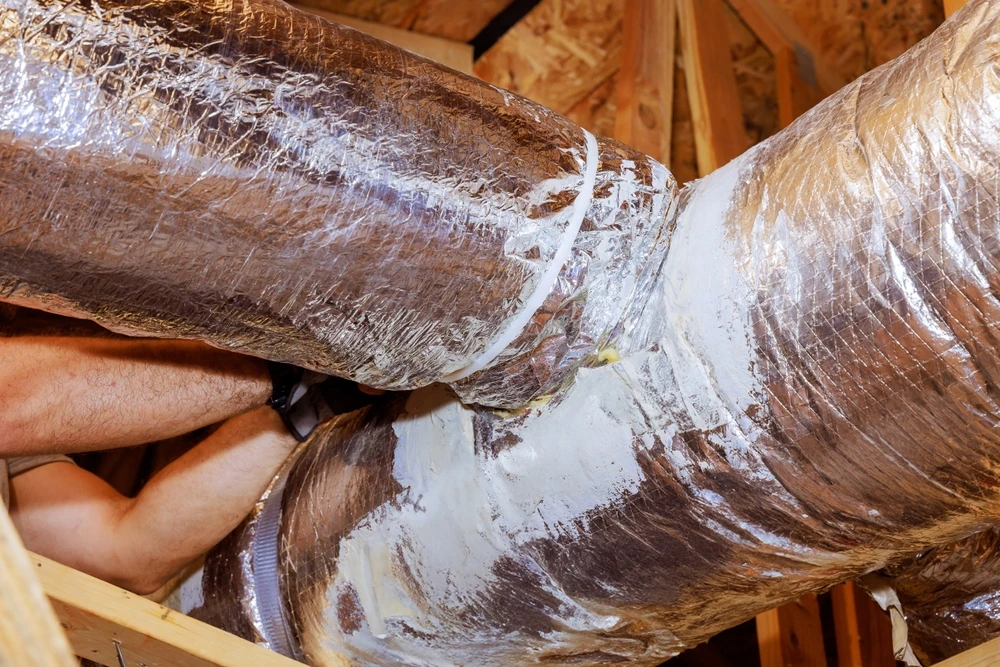
Older homes usually have very different layouts, materials and thermal performance compared with modern builds. A ducted system that works well in a newer brick veneer home can perform poorly if the same approach is applied to a Queenslander, a post-war cottage or an older brick home without considering how that building gains and loses heat.
These homes were often designed around natural ventilation rather than sealed, mechanically cooled interiors. Features such as high ceilings, timber floors, single glazing, wall gaps and low insulation levels can all increase heat gain in summer and reduce how effectively conditioned air is retained. In Brisbane’s climate, that makes proper system design far more important.
A tailored approach helps account for higher roof and wall heat loads, irregular floor plans, limited ceiling space and more air leakage to the outside. Without that, older homes are more likely to experience uneven temperatures, poor airflow, excessive noise and higher-than-expected running costs.
Many traditional and post-war homes were built to encourage breezes rather than trap conditioned air. High ceilings, tongue-and-groove linings, timber floors on stumps and original windows all create pathways for hot air to enter and cooled air to escape.
In practical terms, this often means that:
Older roofs can also make a major difference. Homes with little insulation, dark roofing materials or poorly ventilated roof spaces are exposed to significant radiant heat gain. In these cases, duct layout and insulation quality matter just as much as the unit itself, because poorly routed or under-insulated ducts can lose large amounts of cooling before the air even reaches the room.
Older homes rarely offer the simple, open roof cavities that make ducted installation straightforward in newer houses. Skillion roofs, multiple roof sections, complex framing and shallow pitches can all restrict how ducts are run and where the indoor unit can be positioned.
A standard layout that suits a modern home often has to be reworked substantially in an older property. That may involve:
These constraints also affect fan performance and airflow. If the system is not designed around the actual available space, it may struggle to deliver enough air to distant rooms, generate excessive noise, or lose efficiency because of static pressure problems.
Many older Brisbane homes also have architectural details that limit where outlets and returns can be placed. Decorative plasterwork, VJ walls, cornices, beams and traditional ceiling profiles often need to be preserved, especially in character homes.
At the same time, these homes frequently have layouts that do not suit basic zoning templates. Sleepouts, enclosed verandas, formal living rooms, extensions and split-use areas all create different heating and cooling demands across the house. A simple project-home zoning layout rarely works well in these properties.
A better retrofit design focuses on discreet grille placement, zoning based on how the home is actually used, and air distribution that suits the building’s shape rather than forcing a standard design into an unsuitable structure.
Correct system sizing is one of the most important parts of a successful retrofit. If the unit is too small, it may run continuously on hot Brisbane days without properly cooling the home. If it is too large, it can short-cycle, struggle with humidity control, create uneven temperatures and use more energy than necessary.
Older homes add another layer of complexity because their insulation, air leakage, glazing and construction quality often vary widely from room to room. For that reason, sizing should never be based on a simple square metre rule.
Capacity needs to reflect how much heat the home gains and how well it retains conditioned air. In older properties, the following factors usually have a major impact:
A large room under a dark roof with minimal insulation and broad west-facing windows may need significantly more cooling capacity than a shaded bedroom of the same size on the southern side of the house.
A professional heat load assessment should be done room by room, or at least zone by zone, rather than as one figure for the whole house. That usually involves measuring floor area, ceiling heights, window dimensions, insulation levels, construction materials, shading and room function.
This approach allows the system to be matched more accurately to the way the house actually behaves. It also makes zoning more effective, because airflow and capacity can be directed toward rooms that need more conditioning rather than oversizing the entire system to satisfy one difficult area.
In older homes, correct sizing also has to take account of what is physically and electrically possible. Roof space limitations, indoor unit placement, duct route restrictions and electrical supply capacity can all influence what size system can realistically perform well.
In some cases, one large central system is not the best answer. Two smaller systems serving separate parts of the home may provide better comfort, lower peak demand and more flexible zoning. That can be especially useful in homes with mixed construction, multiple levels or extensions added at different times.
Retrofitting ducted air conditioning into an older home is rarely a simple replacement job. The age of the structure, roof configuration, previous renovations and access limitations all affect how smoothly the installation can proceed and how well the finished system will work.
Understanding these challenges early helps avoid unrealistic expectations and supports better decisions around system layout, costs and whether ducted is the right solution at all.
Many older Brisbane homes have shallow roof cavities or framing that leaves little uninterrupted space for ductwork. In raised homes, underfloor access can sometimes help, but that also depends on clearance, layout and the practicality of routing services.
Tight spaces can create problems with both installation and servicing. The designer may need to use compact indoor units, multiple smaller ducts or bulkheads to make the layout work. If there is not enough serviceable access around the indoor unit, future maintenance can become difficult and expensive.
Character details often restrict where grilles and returns can go. Decorative ceilings, exposed beams and original linings usually cannot be cut indiscriminately, and structural framing cannot simply be altered to make room for ducts.
Past renovations can complicate things further. Older homes that have been extended often contain different ceiling heights, materials and insulation standards across different sections. Treating the entire house as though it behaves the same way typically leads to poor results, with some rooms overcooled and others still uncomfortable.
Older homes often rely on passive ventilation through leakage and breezeways. Retrofitting ducted air conditioning changes how the house breathes. If the home is partially sealed for efficiency but not properly insulated or ventilated, moisture problems can develop.
In Brisbane’s humid conditions, poor return air design, inadequate insulation or badly controlled airflow can contribute to condensation, mould risk and damage to surrounding materials. That is why sealing, insulation and ventilation need to be considered as part of the overall retrofit strategy rather than as separate issues.
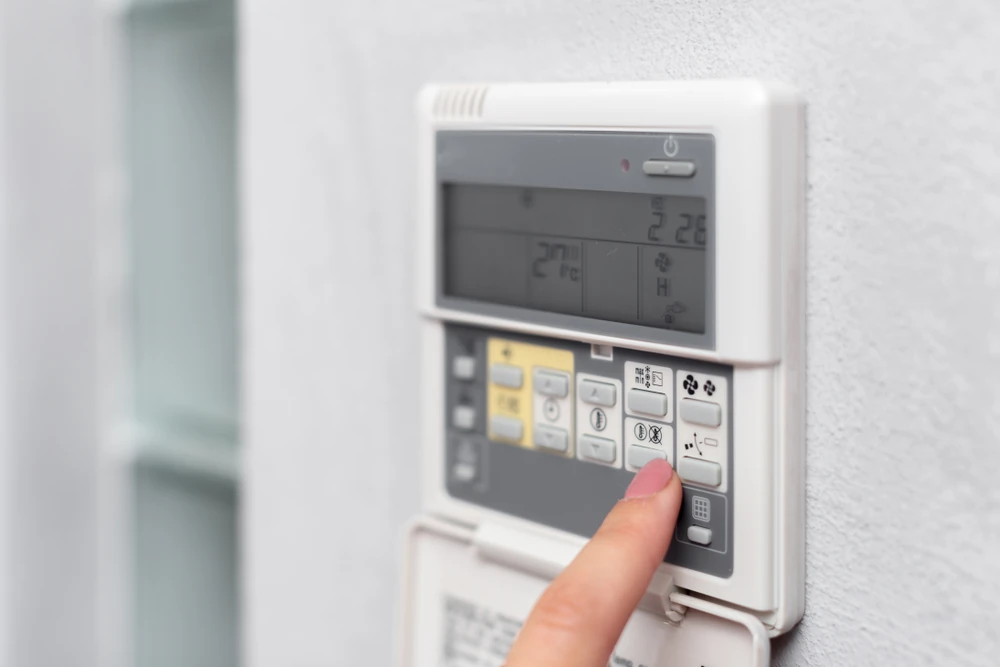
Older Brisbane homes often have high ceilings, long hallways, narrow rooms, enclosed verandas and internal doors that are used differently throughout the day. These features affect how air should be delivered and how return air should move back through the system.
Good zoning and airflow design can make a major difference to comfort and efficiency. Poor design, on the other hand, can leave bedrooms under-conditioned, create draughts in living spaces or waste energy cooling areas that are rarely used.
Most older homes benefit from separating living and sleeping areas at a minimum. Larger or more heavily altered homes may need additional zones, particularly if there are downstairs rooms, enclosed verandas or home office spaces used independently of the rest of the house.
A sensible zoning strategy often reflects how the occupants actually use the property rather than how the floor plan looks on paper. Bedrooms with closed doors need their own effective airflow, while open-plan spaces may be able to share a zone more easily.
Outlet location matters more in older homes because of ceiling height, room shape and sun exposure. Supply air generally needs to offset heat gain from windows and external walls without creating uncomfortable draughts directly over beds or seating areas.
Long, narrow rooms or sleepouts may need multiple smaller outlets so air can reach the full length of the space. Return air placement is equally important, especially in homes where hot air collects at ceiling level or where internal partitions interrupt natural air circulation.
Without careful design, even a correctly sized unit can feel ineffective simply because the air is not being delivered or returned in the right way.
Retrofitting ducted air conditioning into an older Brisbane home often raises major electrical questions. A modern ducted system needs a stable, dedicated power supply, and many older properties were never designed with that type of load in mind.
Electrical design is not just about whether the unit can turn on. It also needs to address safety, compliance, protection against overload and the interaction between the new air conditioner and other major household appliances.
Most ducted systems require a dedicated circuit from the switchboard, and larger systems may require more substantial supply arrangements depending on their size and compressor type. Whether the property already has single-phase or three-phase power can affect what can be installed and whether upgrades are needed.
A proper assessment should consider:
Older switchboards often reveal limitations as soon as a ducted system is proposed. Ceramic fuses, missing safety switches, full boards and outdated enclosures are common in pre-1990s homes. Some properties may also still have asbestos-backed boards, which introduces additional compliance and replacement requirements.
In many cases, a ducted installation will trigger the need for a switchboard upgrade, not just because of capacity but because the existing installation may not be suitable or legal for a new high-load circuit. Addressing this early is essential, as it can significantly affect both project scope and budget.
Ducted air conditioning can work very well in an older Brisbane home when the structure, access and electrical supply all support a well-designed installation. Homes with generous roof cavities, straightforward layouts and room for effective zoning are often strong candidates.
It also makes sense where the occupants want whole-home comfort, prefer a discreet finish without multiple wall-mounted units, and are prepared to invest in the supporting work needed for the system to perform properly.
In these situations, ducted air conditioning can offer:
Ducted systems are not always the most practical or cost-effective solution. Very tight roof spaces, flat roofs with no usable cavity, extensive heritage constraints, highly leaky buildings and major electrical limitations can all make retrofit ducted systems difficult or poor value.
They can also be hard to justify when occupants mainly use only one or two rooms and do not need to condition the whole house. In these cases, multiple high-efficiency split systems, sometimes combined with ceiling fans and targeted building envelope improvements, may provide better comfort per dollar with less disruption.
The best solution depends on how the home is built, how it is used and how much work is needed to support the system properly.
In older homes, the cost of ducted air conditioning is shaped not only by the unit itself but also by the complexity of fitting it into an existing structure. Roof space restrictions, electrical upgrades, asbestos, bulkheads, heritage considerations and access difficulties can all add to the final price.
That is why thorough pre-installation planning is so important. It helps identify the true scope of the work before installation begins and reduces the likelihood of expensive surprises during the project.
Project cost is usually affected by:
Older homes with straightforward access and modest zoning needs are usually far more economical to retrofit than homes requiring multiple structural adjustments or major electrical work.
A well-planned installation can reduce inconvenience significantly, even in an occupied home. Coordinating air conditioning work with other upgrades, such as switchboard replacement, insulation improvements or roof maintenance, can also help reduce repeated access and duplicated labour.
Clear planning around access points, protection of furniture and flooring, timing of noisier works and the sequence of cutting, wiring and fitting helps keep the process more manageable for occupants and reduces the likelihood of avoidable damage or delays.
A successful ducted air conditioning retrofit in an older Brisbane home depends on far more than selecting a powerful unit. Proper heat load calculations, realistic zoning, thoughtful airflow design, suitable duct routing and adequate electrical capacity all play a role in whether the finished system delivers reliable, efficient comfort.
Older homes bring extra complexity through their materials, layouts, ventilation patterns and architectural details, which means retrofit ducted air conditioning should be approached as a full design exercise rather than a straightforward equipment upgrade. When that process is handled properly, the result is a system that is quieter, more efficient, better matched to the home and far more likely to perform well over the long term.