Est. 2004 – Proudly serving our community with outstanding service for 20+ years

Ducted air conditioning is designed to deliver consistent, whole-home comfort. When it doesn’t, the impact is immediate. Rooms feel uneven, airflow drops, power bills rise or the system runs constantly without reaching temperature. In Queensland’s climate, these issues tend to show up quickly, especially during peak summer demand.
At Crown Power Air Conditioning, we regularly diagnose and repair common faults affecting ducted air conditioning in Brisbane, as well as homes across the Sunshine Coast and surrounding areas. Most problems follow familiar patterns. Some are simple airflow or settings issues, while others point to deeper mechanical or electrical concerns that need professional attention.
This article breaks down the most common ducted air conditioning problems homeowners experience, including uneven cooling, weak airflow, noisy operation, rising energy use and systems that trip or fail to start. You will learn what typically causes each issue, the early warning signs to look for and when a straightforward fix becomes a situation that requires a licensed technician. With the right information, it is far easier to protect your system, reduce unnecessary costs and keep it operating reliably in local conditions.
Uneven temperatures and weak airflow are among the most common complaints with ducted air conditioning. One room may feel icy while another is stuffy and warm, or the system seems to run constantly without ever making the whole home comfortable. In most cases this points to an issue with airflow, duct design or system setup rather than the unit itself.
Air conditioning experts help homeowners track these issues back to their real cause, which is usually a combination of blocked airflow, leaky or poorly balanced ductwork and incorrect zoning or fan settings. Addressing these problems not only evens out comfort but also often reduces energy use and strain on the system.
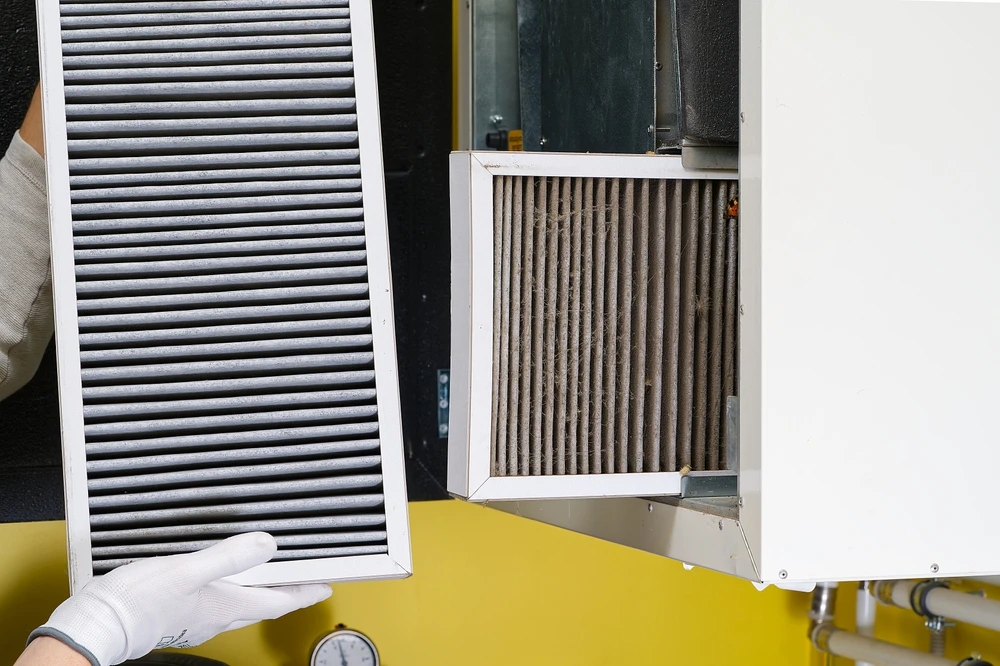
Before assuming there is a serious fault, it is important to check the simple airflow restrictions inside the home. Supply vents should be fully open, with furniture, curtains and rugs kept clear so air can move freely into each room. Partially closed or covered vents can starve some areas of cool air and increase pressure in other ducts, which makes temperatures patchy.
Dirty filters are another frequent cause of weak airflow and hot or cold spots. When the filter is clogged, the fan must work harder to move air and rooms furthest from the indoor unit usually suffer first. It is recommended to check filters every 1 to 3 months during peak summer or winter and clean or replace them whenever they appear dusty or grey.
Blocked or undersized return air grilles can have a similar effect. If the return is choked by dust, furniture or a too-small grille, the system cannot pull enough air back, which reduces airflow to every room.
If vents and filters are in good order, the issue is often in the roof space. Flexible ducting can sag, kink or become crushed, which dramatically reduces airflow to particular rooms. Joints can also come loose over time, leading to air leaks that cool the roof instead of the living spaces. A licensed technician can inspect for:
Poorly balanced ducts are another reason for uneven temperatures. Each branch of the system should be sized so that rooms receive roughly the right share of airflow. If a small bedroom has the same size outlet as a large open-plan living area, the bedroom may overcool while the living space never reaches the set temperature. Technicians can adjust balancing dampers in the roof to fine-tune airflow to each zone.
For systems with zoning, incorrect damper operation or a faulty zone motor can leave one area barely cooled while others work normally. Air conditioning specialists will test each zone to ensure dampers open and close fully and that the control system is configured correctly.
Sometimes weak airflow across the whole home indicates that the indoor fan speed is set too low or the system is undersized for the space. If rooms were added, ceilings raised or insulation removed after installation, the original design may no longer suit the home. In these cases solutions may include increasing fan speed, upgrading return air capacity, adding outlets or, in some situations, replacing the unit with one correctly sized for the current layout.
By working through these checks methodically, homeowners can usually identify the cause of uneven temperatures and restore consistent comfort with targeted repairs or adjustments rather than a full system replacement.
When a ducted air conditioning system is running but rooms are still too hot in summer or too cold in winter, it usually points to a problem with airflow, temperature settings or the refrigeration circuit. In many cases the fix is straightforward and can be handled by the homeowner, although some issues require a licensed technician. Air conditioning specialists focus on identifying the source of the performance drop before replacing parts or recommending upgrades.
Understanding why a ducted system is not keeping the home comfortable starts with a few simple checks. From incorrect zone settings to blocked filters or low refrigerant levels, each fault affects how much conditioned air reaches the rooms and how effectively it is cooled or heated.
Incorrect settings are one of the most common reasons a system appears not to work. The wall controller should be set to the correct mode: ‘Cool’ for summer, ‘Heat’ for winter or ‘Auto’ only if the desired temperature is sensible and stable. If Auto is set too close to the current room temperature, the system may cycle between modes and never condition properly.
The set temperature should be realistic for the local climate. For example, if the indoor temperature is 32°C and the set point is 18°C, the system will run continuously and may never feel like it is catching up. A more efficient approach is to set cooling around 24–25°C and heating around 20–22°C. It is also important to check the fan setting and ensure it is not set to the lowest speed when conditioning large areas.
Zoning controls should be reviewed to confirm that the required rooms are turned on and that the main return air zone is open. If the return air zone is closed, the system will struggle to draw in enough air and overall performance will drop.
Restricted airflow quickly reduces both cooling and heating capacity. The first step is to check and clean the return air filter. A clogged filter forces the indoor fan to work harder, reduces air volume to the ducts and can cause the indoor coil to ice up. Filters should be vacuumed or washed according to manufacturer instructions and fully dried before refitting.
Supply vents in each room should be fully open and not blocked by furniture, curtains or built-in cabinetry. Partially closed vents can create pressure issues in the duct network, which may lead to noise, temperature imbalance and reduced capacity.
If the problem is confined to one or two rooms while others are fine, there may be a kinked, crushed or disconnected duct. Visual inspection in the roof space can sometimes reveal obvious damage, although any repair, sealing or duct replacement is best handled by a qualified technician for safety and performance reasons.
If the settings and airflow are correct yet the system still runs without effectively cooling or heating, there may be a refrigeration issue. Low refrigerant charge from a leak, a failing compressor or a blocked expansion device will all reduce capacity. Signs include ice on the outdoor pipes, hissing noises or very warm air from vents in cooling mode. Only a licensed technician is permitted to test for leaks, repair the circuit and add refrigerant.
Dirty indoor or outdoor coils also reduce heat transfer, so the system cannot reject heat in summer or absorb it in winter. Homeowners can keep the outdoor unit clear of leaves and dirt and have coils professionally cleaned during routine servicing.
In some homes the ducted system is simply undersized for the area it is trying to condition or has been affected by building changes such as extensions. Air conditioning specialists can assess system capacity, duct design and zoning to recommend adjustments, upgrades or replacements that restore effective cooling and heating.
Unusual sounds or odours from a ducted air conditioner are often the first sign that something is wrong. Ignoring them can turn a simple service job into a major repair or even a full system replacement. This section explains what different noises and smells usually mean and which ones require urgent attention from a professional technician.
Any new or unfamiliar noise or smell should be treated as a warning. Some issues can be reduced by basic checks such as cleaning filters or clearing obstructions around the outdoor unit, but many point to electrical, refrigerant or mechanical faults that must be diagnosed and repaired by a licensed air conditioning specialist.
Rattling from ceiling vents or the indoor unit often indicates loose screws, misaligned grilles or a poorly secured return air panel. Homeowners can sometimes gently tighten visible screws or clips and make sure the return grille is properly latched. If rattling continues, it may be a sign of loose ductwork or internal parts that require a technician.
Whistling or whooshing noises at vents usually mean restricted airflow. This often comes from blocked filters, closed or obstructed vents or crushed or disconnected ducting. Cleaning or replacing filters and ensuring all supply and return vents are open and unobstructed can often reduce the noise. Persistent whistling despite good airflow access should be checked by a professional.
Banging, clunking or scraping sounds from the indoor or outdoor unit are more serious warning signs. These noises may indicate a failing fan motor, a loose or broken fan blade or parts moving out of alignment. The system should be switched off at the controller and the safety isolator, and then air conditioning experts should be contacted before further operation.
High-pitched squealing or screeching can indicate worn fan bearings or belt issues in some older units. This should be treated as urgent since continued use can cause motor failure.

A musty or damp smell from vents usually points to mould or bacteria growth inside the indoor unit or within sections of ductwork. This can be caused by poor drainage, high humidity or a lack of regular servicing. Cleaning filters may help, but a professional clean of the indoor coil, drain pan and, in some cases, ductwork is usually required to fix the root cause and improve indoor air quality.
A burning or electrical smell is a serious red flag. It can indicate overheating electrical components, melting insulation or a motor about to fail. The system should be turned off immediately at the controller and isolator, and a licensed technician from air conditioning specialists should be called before it is used again.
A gas- or chemical-type smell may be related to refrigerant leaks or occasionally to something near the outdoor unit, such as stored chemicals being drawn into the airflow. The refrigerant itself has little odour, but any suspected leak must be inspected and repaired only by a licensed professional.
If the system trips the circuit breaker repeatedly, there may be an electrical fault, motor issue or compressor problem. Continually resetting the breaker is unsafe and can cause further damage. The power should remain off until a technician investigates.
Visible water leaks around the indoor unit, staining on the ceiling or water near the outdoor unit are warning signs of a blocked drain, poor installation fall or a frozen coil. The unit should be turned off to prevent water damage. Air conditioning specialists can clear drains, check pipework and restore correct drainage.
Lastly, a sudden drop in airflow, rooms no longer reaching set temperature or the system turning on and off frequently are all signs that something is not working as it should. These issues can relate to duct leaks, control faults, low refrigerant or failing components and are best diagnosed with professional testing and servicing.
Electrical and control issues are some of the most frustrating ducted air conditioning problems because the system may look fine yet perform poorly or not run at all. Often the fault lies in the power supply, wiring or control boards rather than the indoor or outdoor units themselves. Understanding the common warning signs and basic checks can help homeowners decide what they can safely try themselves and when to call the air conditioning experts for professional diagnostics.
In many Brisbane and Sunshine Coast homes electrical faults first show up as intermittent operation, tripped safety switches or unresponsive wall controllers. Left unchecked, these problems can shorten compressor life, increase running costs and cause unexpected breakdowns during peak summer or winter use.
If a ducted system will not start or suddenly shuts down, the first step is to confirm it has power. At the switchboard the dedicated air conditioning circuit breaker or safety switch may have tripped. This can be caused by a temporary power surge, water ingress in an outdoor isolator or a developing fault in the outdoor unit.
Homeowners can safely:
If the breaker trips again or trips immediately after the system is turned on, this points to an electrical fault such as shorted wiring, a seized fan motor or a failing compressor. In this situation the power should be left off, and a licensed technician should attend. Repeatedly resetting a tripping breaker can damage components and may present a safety risk.
A faulty wall controller or zone controller can make a perfectly sound ducted system behave as if it is failing. Symptoms include no display on the controller, buttons not responding, incorrect temperature readings or zones that will not open or close.
Owners can try simple checks such as:
If the controller screen is blank, discoloured or shows error codes, the issue may be a failed controller, a poor low‑voltage wiring connection or a control board fault in the indoor unit. Air conditioning specialists can test the communication wiring, update firmware where applicable and replace faulty controllers or boards to restore reliable operation.
Loose connections, corroded terminals and damaged cables are common in Queensland’s humid coastal climate. Rodents can also chew low‑voltage control wiring in roof spaces, which leads to intermittent starting or random shutdowns. These issues usually require test equipment and should be handled by a qualified technician.
Modern ducted systems also rely on temperature and pressure sensors connected to a central control board. If a sensor fails or reads incorrectly, the system may short cycle, blow air at the wrong temperature or fault out to protect the compressor. Technicians can measure sensor resistance, check supply voltages, inspect boards for burn marks or swollen components and replace only the affected parts where possible, which can be more economical than replacing an entire system.
Rising energy bills are often the first sign that a ducted air conditioning system is not running as it should. The system may still be cooling or heating reasonably well, but hidden inefficiencies force it to work harder and draw more power than necessary. Understanding what a homeowner can check, what requires routine servicing and when to involve a licensed technician helps keep running costs under control.
Air conditioning specialists recommend looking at bills over several seasons instead of just one month. If usage patterns at home are similar but the power bill has climbed significantly, the ducted system is a likely suspect and should be assessed.
Several practical issues cause ducted units to use more electricity than necessary. Dirty filters are the most common. When return air filters clog with dust, the indoor fan must work harder to pull air through, which reduces airflow to the rooms and increases energy use. Homeowners can usually remove and clean washable filters every 1 to 3 months depending on dust and pet hair.
Leaking or poorly insulated ductwork also wastes power. Conditioned air can spill into the roof space instead of reaching the rooms, especially in older flexible ducts or where tape and joints have deteriorated. This forces the system to run longer to achieve the set temperature. Sagging ducts, hot or dusty spots around ceiling vents and inconsistent room temperatures often point to duct issues.
Incorrect thermostat use also adds to bills. Very low summer setpoints, such as 20°C or very high winter setpoints, such as 25°C, dramatically increase running costs. Each degree of adjustment closer to the outdoor temperature can make a noticeable difference to power use without sacrificing comfort.
Regular servicing keeps the system efficient and can prevent minor problems from becoming expensive repairs. For most homes, air conditioning specialists recommend a professional service every 12 months, or every 6 months in high-use homes or dusty environments.
Between professional visits homeowners can:
Professional servicing typically includes checking refrigerant pressures, cleaning coils, inspecting ductwork where accessible, tightening electrical connections and confirming that airflow, fan speeds and thermostat operation are within specification.
Some warning signs mean a qualified technician should inspect the system promptly. These include a sudden spike in power bills without a change in usage patterns, tripping circuit breakers, unusual noises from the indoor or outdoor unit or a burning or electrical smell around the system.
Persistent issues such as short cycling, rooms that never reach temperature after filter cleaning or visible duct damage should never be ignored. Refrigerant work, electrical faults and major duct repairs must be handled by licensed technicians to prevent further damage.
Most ducted system problems follow predictable patterns. When identified early, they are usually straightforward to correct. Regular servicing, correct system sizing and quality installation remain the foundations of reliable performance in Queensland conditions. If your system is showing signs of strain, acting early is far more cost-effective than waiting for a full breakdown in the middle of summer.