Est. 2004 – Proudly serving our community with outstanding service for 20+ years

The true cost of ducted air conditioning goes beyond the upfront installation price. It includes the way the system is designed for your home, how much electricity it uses in Queensland conditions, what maintenance it needs to stay efficient and what repairs or upgrades may come up over time. At Crown Power Air Conditioning, we see the best outcomes when homeowners understand these costs early, because it leads to smarter decisions and better long-term value.
This article is for homeowners who are weighing up comfort, budget and long-term value, particularly those considering ducted air conditioning in Brisbane and surrounding areas. It matters because Queensland’s heat and humidity can increase how often a system runs and that can make a noticeable difference to power bills, servicing needs and overall system performance. Many homeowners focus heavily on the installation quote, but it is the ongoing costs that often shape whether ducted air conditioning feels like a good investment five or ten years later.
In this guide, you will learn what influences installation pricing, what affects running costs, how maintenance impacts ownership costs, how rebates and incentives really work in Queensland and how ducted systems compare with split systems from a cost perspective.
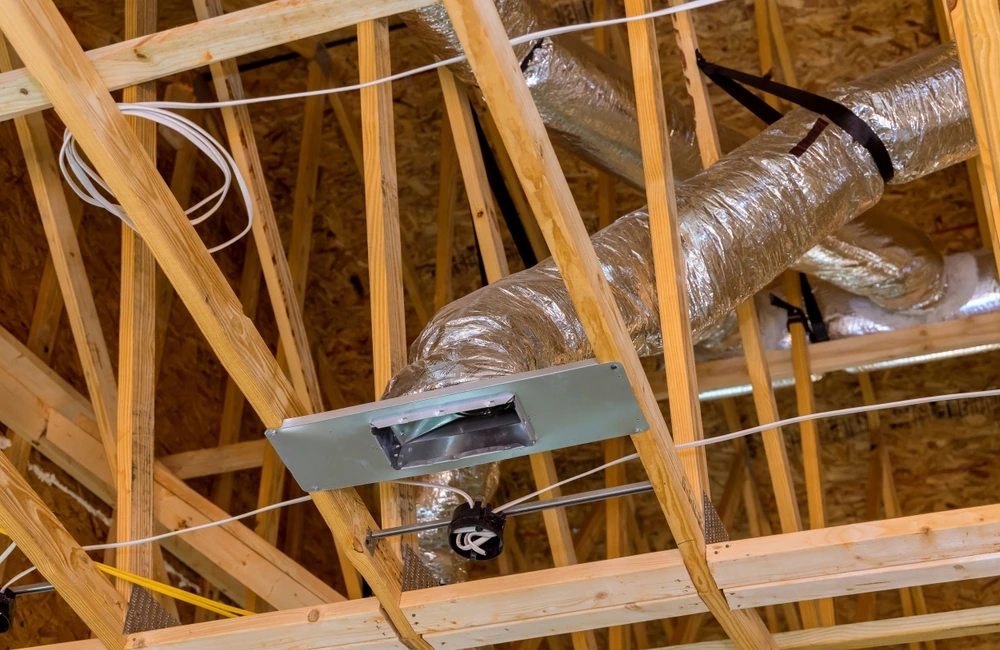
Installing ducted air conditioning is not a one-price-fits-all job. The upfront cost depends on more than the unit itself, because the system needs to be designed and installed to suit your home’s size, layout and how heat builds up in Queensland conditions.
A ducted system includes the indoor and outdoor units, ductwork, vents, zone controls and electrical connections. The final price reflects how complex the design and installation is, including how easy the roof space is to access and how far ducting needs to run.
Two homes can look similar but have very different installation costs if one has limited roof access, low ceiling space or a layout that requires more ducting and zones. Getting the design right upfront helps avoid uneven cooling, higher running costs and a system that works harder than it should.
System sizing and design are two of the biggest factors that affect both the installation cost and how much the system costs to run long term. A properly designed ducted system is matched to your home’s cooling load, which is how much heat your home absorbs and holds during the day, not just the number of bedrooms or the total floor area.
In Queensland, sizing matters because homes often deal with strong sun, humid air and long periods of cooling use. If a system is too small, it may run constantly and still struggle to keep the home comfortable, which increases electricity use and puts extra strain on components. If it is too large, it can cycle on and off too quickly, leading to uneven temperatures and inefficient performance.
The layout of the home also influences how the system needs to be designed. Open-plan living areas usually require careful airflow planning, while homes with separate rooms may need a different duct and zone setup to keep temperatures balanced.
Common factors that influence sizing and design include:
A well-sized and well-designed system improves comfort, reduces energy waste and helps prevent long-term issues like hot spots, weak airflow and higher running costs.
Electrical work is sometimes an extra cost homeowners do not expect when budgeting for ducted air conditioning. Even if the air conditioner itself is suitable, the home still needs the right electrical capacity and safety protection to run it properly and meet Queensland requirements.
In older homes, the existing switchboard may be outdated, already overloaded or missing modern safety switches. In these cases, upgrades may be needed before the system can be installed safely. This can add to the upfront cost, but it also reduces the risk of electrical faults and helps the system run reliably during high-use periods.
Zoning is another factor that can increase the installation price, but it can also improve comfort and reduce running costs over time. A zoned ducted system lets you control which parts of the home are being cooled or heated, rather than running the whole house every time. In Queensland, this can make a noticeable difference because many households only need to cool living areas during the day and bedrooms at night.
Common electrical and zoning cost factors include:
While electrical upgrades and zoning can add to the initial cost, they often improve safety, comfort and long-term efficiency. For many homeowners, zoning becomes one of the most valuable features because it gives better control over power use without sacrificing comfort.
Access is a practical detail that can significantly affect the installation cost of ducted air conditioning. Because ductwork and the indoor unit are installed in the ceiling space, the time required to complete the job often comes down to how easy it is for installers to move around safely and run ducting efficiently.
Homes with tight roof cavities, limited access points or complex framing can take longer to install and may require more labour to complete the duct layout properly. Multi-storey homes can also add complexity, particularly if ducting needs to be routed across different levels or through difficult ceiling sections.
Restricted access may increase costs due to things like:
When access is straightforward, installations are usually faster and more predictable. When access is difficult, the job can still be done well, but it often requires more time and planning to avoid issues like airflow restrictions, noisy duct runs or uneven temperatures across the home.
Running costs are where many homeowners feel the “true cost” of ducted air conditioning over time. While the installation is a one-off expense, electricity use continues every day the system is operating and in Queensland that can be a large part of the year due to warm weather and humidity.
How much a ducted system costs to run depends on more than just the brand of the unit. It comes down to how often it is used, how well the home holds temperature, how the zones are set up and whether the system is being controlled efficiently. A well-designed system in a well-insulated home can be surprisingly manageable to run, while a poorly designed setup can become expensive even if the unit itself is high quality.
It is also worth understanding that ducted air conditioning is designed to condition multiple rooms at once. That can be a big comfort advantage, but it also means running costs can climb if the system is cooling areas of the home that are not being used.
The best way to keep running costs predictable is to understand what drives energy use and make sure the system design supports practical control, especially zoning. In Brisbane homes, this often makes the difference between a system that feels efficient and one that feels costly to run.
How and when you use ducted air conditioning has a direct impact on your electricity bills. Many homeowners assume the running cost is mostly determined by the system itself, but day-to-day habits often make the biggest difference, especially in Queensland where systems can run frequently through warmer months.
One of the most common causes of high power bills is cooling the entire home when only one or two areas are being used. This is where zoning becomes important, because it lets you condition the spaces you are actually in, rather than paying to cool rooms that are empty.
Running costs also increase when the system is forced to work harder than necessary. This can happen when temperature settings are too low, when the system is left running while no one is home or when doors and windows are left open while the air conditioning is on. In Brisbane, humidity can make the home feel uncomfortable quickly, so it is easy to overuse the system without realising how much it affects long-term costs.
Common usage habits that increase power bills include:
More efficient habits usually come down to using zoning properly, keeping settings steady rather than extreme and running the system with a plan instead of letting it operate constantly. Over a full Queensland summer, these small adjustments can make a noticeable difference to overall running costs.
System efficiency plays a major role in how much ducted air conditioning costs to run over time. While a higher efficiency unit may cost more upfront, it can use less electricity to achieve the same comfort level, which becomes especially important in Queensland where cooling demand is often high for long periods.
Efficiency is not only about the unit itself, but also how well it can adjust its output to match the home’s needs. Modern inverter systems are designed to run more smoothly by maintaining a steady temperature rather than constantly switching on and off at full power. This can improve comfort and reduce energy waste, particularly during Brisbane’s hot, humid weather when the system may be running for hours at a time.
Controls also make a real difference to running costs. A ducted system with good zoning controls and accurate temperature management gives homeowners more ability to reduce waste. Instead of cooling the entire house all day, you can run only the zones you need, set schedules and keep temperatures stable without overworking the system.
Efficiency and control features that can influence running costs include:
The key point is that a ducted system is only as cost-effective as the way it is controlled. A well-designed system with efficient controls can feel much cheaper to run than a basic setup that cools the whole home regardless of occupancy.
Queensland conditions can significantly increase the running costs of ducted air conditioning, especially in Brisbane where heat and humidity can build up quickly and remain consistent across long periods of the year. Even a high-quality system will cost more to run if the home absorbs heat easily or struggles to hold a stable indoor temperature.
Heat load is one of the biggest factors here. It refers to how easily heat enters your home through the building structure and openings and how quickly the home heats up during the day. Homes with high heat load require the system to run longer and work harder to maintain comfort, which increases electricity use and places more strain on the equipment.
Some homes naturally hold heat more than others due to design choices and materials. For example, large west-facing windows can allow strong afternoon sun to heat the interior, while dark roofing materials can increase roof space temperatures and make the system work harder during peak summer conditions.
Running costs are often higher in homes with:
Improving insulation and reducing heat entry can make a noticeable difference to comfort and power bills. In Queensland, simple changes like better ceiling insulation, shading and sealing gaps can reduce how hard the ducted system needs to work, which supports lower running costs and better long-term performance.

Maintenance is a predictable part of owning ducted air conditioning, but it is often underestimated when homeowners plan their budget. A ducted system is made up of multiple components, including fans, coils, filters, ductwork and electrical controls and it needs regular attention to stay efficient and reliable.
In Queensland, maintenance becomes even more important because systems are often used heavily during warmer months and humidity can place extra demand on the system. When airflow is restricted or parts are not performing properly, the system has to work harder to deliver the same level of comfort. That usually means higher power bills, more wear on components and a greater chance of breakdowns during peak summer periods.
Regular servicing helps maintain consistent performance, supports energy efficiency and extends the overall lifespan of the system. It also allows small issues to be identified early, before they turn into larger repair costs.
Skipping maintenance may seem like a way to save money in the short term, but it often leads to reduced performance and higher ownership costs later. A well-maintained ducted system typically runs more smoothly, cools more evenly and is less likely to fail when you need it most.
Routine servicing is essential for keeping ducted air conditioning running efficiently and reliably. Over time, dust builds up in filters, airflow can become restricted and components can wear without homeowners noticing straight away. When airflow drops, the system often has to work harder to cool the home, which can increase electricity use and reduce overall comfort.
In Queensland homes, filter maintenance is especially important because systems may run frequently through warmer months. If filters are not cleaned or replaced regularly, the system can struggle to move enough air through the ducts, leading to rooms that take longer to cool and a system that runs for longer than necessary.
Professional servicing is also important because it checks parts of the system homeowners cannot easily inspect themselves. This includes checking performance, electrical safety, airflow balance and drainage. These checks help reduce the risk of faults and support better long-term system health.
Typical maintenance requirements include:
Regular servicing helps the system stay efficient, keeps airflow consistent and reduces the risk of avoidable breakdowns. It also protects the investment by supporting a longer lifespan and more stable running costs over time.
Many expensive ducted air conditioning repairs start as small issues that are easy to overlook. When these problems are left unattended, the system often becomes less efficient, runs for longer and experiences unnecessary strain. Over time, that can lead to higher power bills, reduced comfort and larger repair costs that could have been avoided.
A common issue is blocked or dirty filters. When airflow is restricted, the system cannot circulate air properly, which means it has to work harder to maintain the set temperature. Another overlooked issue is ductwork problems, such as leaks, loose connections or damaged sections, which can cause cooled air to escape into the roof space rather than reaching the rooms where it is needed.
Homeowners can also unintentionally increase running costs by blocking vents with furniture or closing vents in a way that disrupts airflow balance. Ducted systems are designed to operate with a specific airflow pattern and changing that balance can reduce performance and efficiency.
Some common oversights that increase costs include:
Addressing these issues early helps keep the system running efficiently and reduces the chance of a minor problem turning into a major repair. In Queensland, where systems are often relied on heavily in summer, proactive maintenance can make a noticeable difference to both comfort and long-term ownership costs.
Ducted air conditioning is a long-term investment, but like any major home system, it will eventually require repairs and, at some point, replacement. Planning for this upfront helps homeowners avoid unexpected expenses and makes it easier to budget realistically over the life of the system.
A ducted system’s lifespan depends on several factors, including how often it is used, how well it is maintained and whether the original design and installation were done properly. In Queensland, systems can experience heavier seasonal demand due to extended periods of heat and humidity, which means wear and tear can build up faster in homes where the air conditioning is running frequently.
Repairs are not always avoidable, but proactive servicing helps reduce the risk of major breakdowns. It also helps identify parts that are wearing out before they fail completely, which can prevent emergency repairs during peak summer when the system is most needed.
Long-term ownership considerations include:
It is also worth thinking about what replacement might look like in the future. In some cases, ducting may still be usable if it is in good condition and correctly designed, which can reduce replacement costs later. Planning ahead helps homeowners make smarter decisions now and it reduces the chance of being caught off guard by a major expense down the track.
Rebates and incentives can help reduce the upfront cost of ducted air conditioning, but they are often misunderstood. In Queensland, they do not automatically apply to every ducted system and eligibility can depend on the unit type, efficiency rating and the specific program rules available at the time.
Some incentives may only apply in certain situations, such as replacing older systems or meeting particular energy-efficiency requirements. It is also common for advertised “savings” to be based on maximum rebate scenarios, which may not apply to every home once the eligibility conditions are checked.
The best approach is to treat rebates as a bonus rather than the reason to choose a system. A properly sized, well-designed ducted system with good zoning and efficiency will have a bigger impact on long-term costs in Queensland conditions than any short-term incentive.
Queensland incentives for energy-efficient upgrades can exist, but they are not guaranteed for every ducted air conditioning installation. Eligibility usually depends on the system meeting specific efficiency requirements, being installed correctly and following the rules of the program running at the time.
Common eligibility conditions can include:
Because programs and requirements can change, rebates should always be confirmed at the time of quoting and purchase. This helps avoid budgeting around a rebate that may not apply to your home or chosen system.
Choosing a ducted system mainly because it qualifies for a rebate can lead to the wrong setup for your home. A system that meets rebate requirements is not automatically the best match for your layout, insulation or how you use different areas of the house.
In Queensland conditions, an underpowered or poorly designed system can run longer, cost more to operate and struggle during hot or humid weather. That is why performance, correct sizing and good zoning should always come first.
A well-matched system delivers:
Rebates are helpful, but long-term comfort and efficiency will make the biggest difference to what ducted air conditioning truly costs you over the years.
Rebate advertising can be misleading if the details are not clearly explained. Some promotions highlight “up to” savings that assume maximum eligibility, which may only apply to certain systems, specific households or limited-time program conditions.
Before relying on any advertised rebate, Queensland homeowners should clarify:
Not all advertised savings apply to every home. Confirming the details early helps you make decisions based on real costs, not assumptions.
Comparing ducted and split systems involves more than just looking at the upfront price. Each option suits different home sizes, layouts and budgets and the long-term costs can change depending on how often the system is used and how many areas of the home need cooling.
Ducted air conditioning usually costs more to install because it is a whole-home system with ducting, vents and zoning controls. Split systems are often cheaper upfront, but costs can add up quickly if you need multiple units to cool several bedrooms and living areas.
To choose the best option, it helps to compare both the upfront investment and the ongoing costs, including electricity use, servicing and long-term comfort. In Queensland, this matters even more because air conditioning is often used frequently through warmer months, so running costs can make a bigger difference over time than many homeowners expect.
Ducted systems typically cost more upfront because they include a central unit, ductwork throughout the home and a more complex installation. In return, they provide whole-home comfort with zoning options that can reduce waste when used properly.
Split systems are usually cheaper to install, especially if you only need to cool one or two rooms. However, if you need several split systems to cover bedrooms and living areas, the total cost can increase quickly and you may end up managing multiple remotes, settings and maintenance schedules.
When comparing costs, it helps to consider:
Lower upfront cost does not always mean lower long-term cost. The best value usually comes from choosing a system that matches the size of the home and how the household actually uses each space.
The right system depends on your home’s size, layout and how you use each area day to day. Ducted air conditioning often makes more sense in larger homes with multiple living spaces, where consistent comfort across several rooms is important.
Split systems can be a better fit for smaller homes, apartments or households that only need cooling in a couple of key areas. They are also a practical option if you want to upgrade in stages rather than installing a whole-home system at once.
Split systems may suit:
The best option is the one that delivers the comfort you need without paying to condition spaces you rarely use.
Cost is important, but it is not the only factor that affects long-term satisfaction. Ducted air conditioning is often chosen because it delivers whole-home comfort with a cleaner, more discreet look. Vents are less visually intrusive than multiple wall-mounted units and temperatures are usually more consistent across the home when the system is designed properly.
Split systems can still provide excellent comfort, but they tend to suit homes where cooling is needed in specific areas rather than throughout the entire house. Some households also find that managing multiple units becomes less convenient over time, particularly if different rooms require different settings.
When considering long-term value, it helps to think about:
Comfort and convenience often influence value just as much as running costs. For many Queensland homeowners, the best choice is the one that fits how the home is lived in, not just what looks cheapest upfront.
The real cost of ducted air conditioning is shaped by installation quality, energy efficiency, usage habits and long-term maintenance, not just the upfront price. Homeowners who consider the full picture tend to achieve better comfort, more predictable running costs and fewer surprises over time.
In Queensland conditions, the best results usually come from choosing a system that is properly sized, designed with zoning in mind and suited to how the household uses the home day to day. At Crown Power Air Conditioning, we see that the most cost-effective systems long term are the ones that are matched to the home’s layout, heat load and lifestyle, rather than chosen purely on the lowest initial quote.